
Dental Advice from Doctor Humphrey
Cosmetic Dentistry, Sleep Apnea Devices & Emergency Dental Services in San Antonio TX
Dental Disease Process
In a nut shell, plaque is the dental adversary. It consists of various bacterial colonies forming every 24 hours whether or not food is ingested. It secretes an acidic waste product which burns the teeth and irritates the gums leading to caries and periodontal disease. Each day that plaque can sit on the teeth (including in between and under the gum line), it slowly hardens as it destroys tissue and deepens gum pockets making it more difficult to remove.
Prevention
Our office recommends the following oral hygiene program once daily:
- Pre-rinse or pre-brush with Plax (swish 1-5 minutes) Brush lightly for 10 seconds with each area of the brush, angling 45 degrees into the gum line with a circular vibrating motion; or use an electric brush.
- Floss in a figure eight movement rapidly stroking at least 6 times against both sides of the tooth. Bleeding may occur. The advanced technique includes a knot tied in the floss demonstrated at our office. Listerine is used next to reduce inflammation.
- Follow with a strong Fluoride applied to the gum line and rinsed after 30 minutes.
- Consider wearing a night guard to prevent wear and fractures.
For more helpful information visit the American Dental Association .
About Teeth
Teeth are not complicated to understand. The crown, or what is visible in the mouth, consists of an outer egg type shell. This outside layer, called enamel, is the hardest substance in the body; Harder than bone with great compressive strength, but weak in its tensile vigor. In other words, enamel can withstand the strong forces of your jaw muscles, but cannot flex if you bite sideways on a foreign object, or change from cold to hot quickly. Those conditions cause fractures to form which everyone has in their teeth, though some larger and more noticeable. Enamel is more resistance to acid from dental plaque and your stomach than other structures. Once a small hole is formed in the enamel, the disease can spread quickly through the dentin, decaying large areas of the tooth which can progress to the pulp leading to necrosis. Fluoride, if given to children topically and systemically early enough, combines with the enamel matrix strengthening its shield. In adults, extra fluoride may be applied topically if caries or exposed roots are problems. Dentin, the second layer of the crown structure and outer layer of the root, is much softer than enamel. Microscopically, it looks like a hard-natural sponge consisting of tubules. In dentin, the spaces are filled with moisture and nerve tentacles from the pulp. Any change in the water pressure, temperature, or chemistry send signals to the nerve resulting in pain. This structure is not resistance to acid or bacteria which can infect the pulp and cause the tooth to die.
The inner pulp structure of the crown or root is basically comprised of soft nerve and blood tissue housed in the hollow center of the tooth. The pulp which is necessary for tooth formation, later prevents the tooth from drying out and weakening. The nerve may repair itself after trauma, especially with young teeth. If the tooth tightens up, and no symptoms are present, have the tooth evaluated regularly for nerve health. Fractures can be better avoided by having a healthy pulp sensitive to foreign oral objects. If the nerve is removed, as in root canal therapy, the tooth dries out and cannot sense hard objects, leading to cracks. Root canal treated teeth may not last your lifetime. Therefore, it must be cover with a crown to prevent serious fractures.
Inflammation of the pulp is what causes the nerve to die. Excessive bruxism, malocclusion, deep caries, replacing large fillings or crowns, regularly drinking hot beverages, chewing on ice, trauma, deep fractures, periodontal disease, missing fillings, and rapid movement in orthodontics contribute to this common problem.
Self Diagnosis and First Aid for Teeth
If you have had the following tooth problems and they are not assosociated with recent dental treatment, here are some tips to treat them at home!
Cold sensitivity
-
This is a very common condition with a couple of main causes.
a.) Pulpitis: If you drink something very cold, and you feel a sharp, short pain, that is reversible pulpitis. The nerve is trying to repair itself, most commonly from recent dental treatment, a fracture, or trauma. Treat your tooth like a sprained ankle. Take Advil and stay off it. If the tooth doesn't start to feel better after a couple weeks or worsens and the pain to cold lingers, or the pain is felt even with room temperature water, see your dentist. You may have a fracture, or irreversible pulpitis; the tooth cannot heal itself and root canal treatment is required.
b.) Dentinal Sensitivity: Exposed roots at the gum line or between the teeth, can also be sensitive to cold or flossing from grinding, heavy brushing, tobacco, recent dental treatment. Try to locate the tooth. Is the pain from the root area or from the whole tooth? Do you see a black area or hole? If not, and the pain is only from the root, use a very strong pure topical fluoride gel, such as Gel Kam®, and toothpaste for sensitive teeth along the root and between the teeth with a small interproximal brush, until sensitivity goes away. Gel Kam® also comes unflavored, and should be used at room temperature
Heat sensitivity - Less common and more serious.
a.) Reversible Pulpitis - exposing a tooth to heat elicits a sharp, short, non lingering pain. The nerve is telling you that it is being irritated from a deep cavity, a fracture, recent dental treatment, or trauma.
b.) Irreversible Pulpitis/Pulp Necrosis - the delayed pain from hot now lingers or throbs for over a minute signaling that the soft tissue nerve has died and is forming an abscess. Both conditions are serious requiring immediate dental treatment.
Sweets sensitivity
A cavity/decay is present. Use strong, topical fluoride 2 x day until you can see your dentist for a filling.
Percussion sensitivity
Pain when the tooth is tapped, or flossed vigorously.
a.) Slight pain from this is usually from an irritated or inflamed periodontal ligament that which holds the root to the bone. Common causes are from bruxism or grinding/clenching, sinus infection, orthodontics, trauma, or dental treatment. A simple cavity would not be the cause. It should go away with time especially if you can fabricate a temporary night guard to alleviate the stress. Take Advil, don't chew gum, and have a soft diet.
b.) Severe pain to tapping, with other symptoms, may indicate an abscess. See your dentist.
Pressure/Bite sensitivity
Pain to bite is also common.
a.) Biting down pain -The PDL is irritated. Common causes, involving more than one tooth, are grinding/clenching, sinus infection, or orthodontics. When only one tooth is sensitive, trauma, or fracture is most likely. In some cases, with more severe pain, an abscess may be present. A high spot on a filling or crown/cap can also mimic this symptom, but could be easily remedied with an adjustment by your dentist. A growth or tumor may push a tooth up, and abscess tends to burst out the side.
b.) Lifting off pain - almost always a fracture which causes more pain as the bite is released than when biting down on the object, requiring a crown to prevent further fracture movement. Usually the tooth will only hurt when biting on one edge or when chewing at a certain angle in cases of a fracture.
Bleeding/Itchy gums:
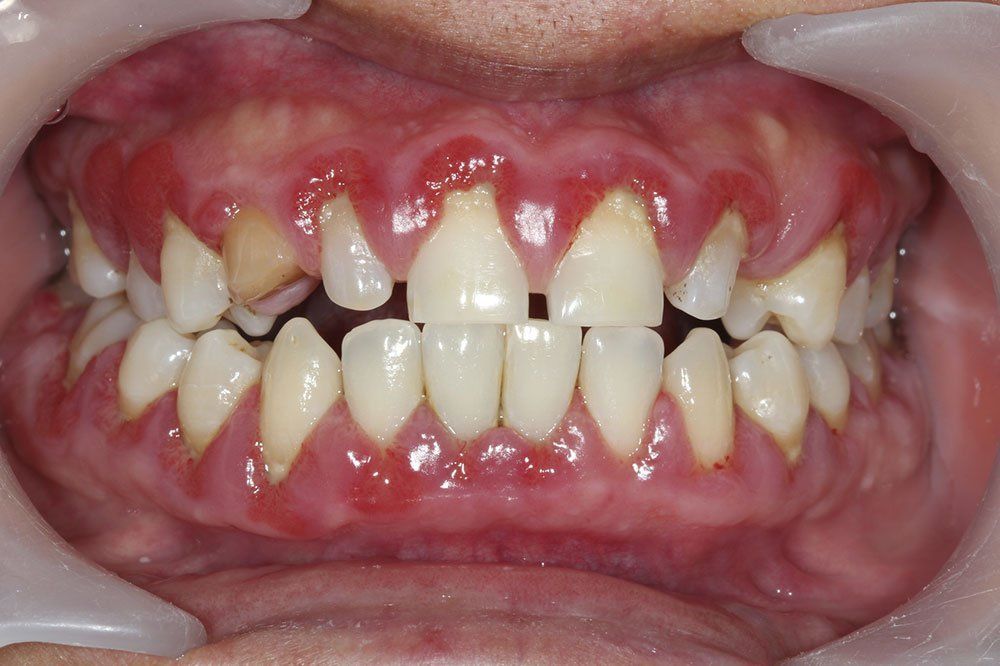
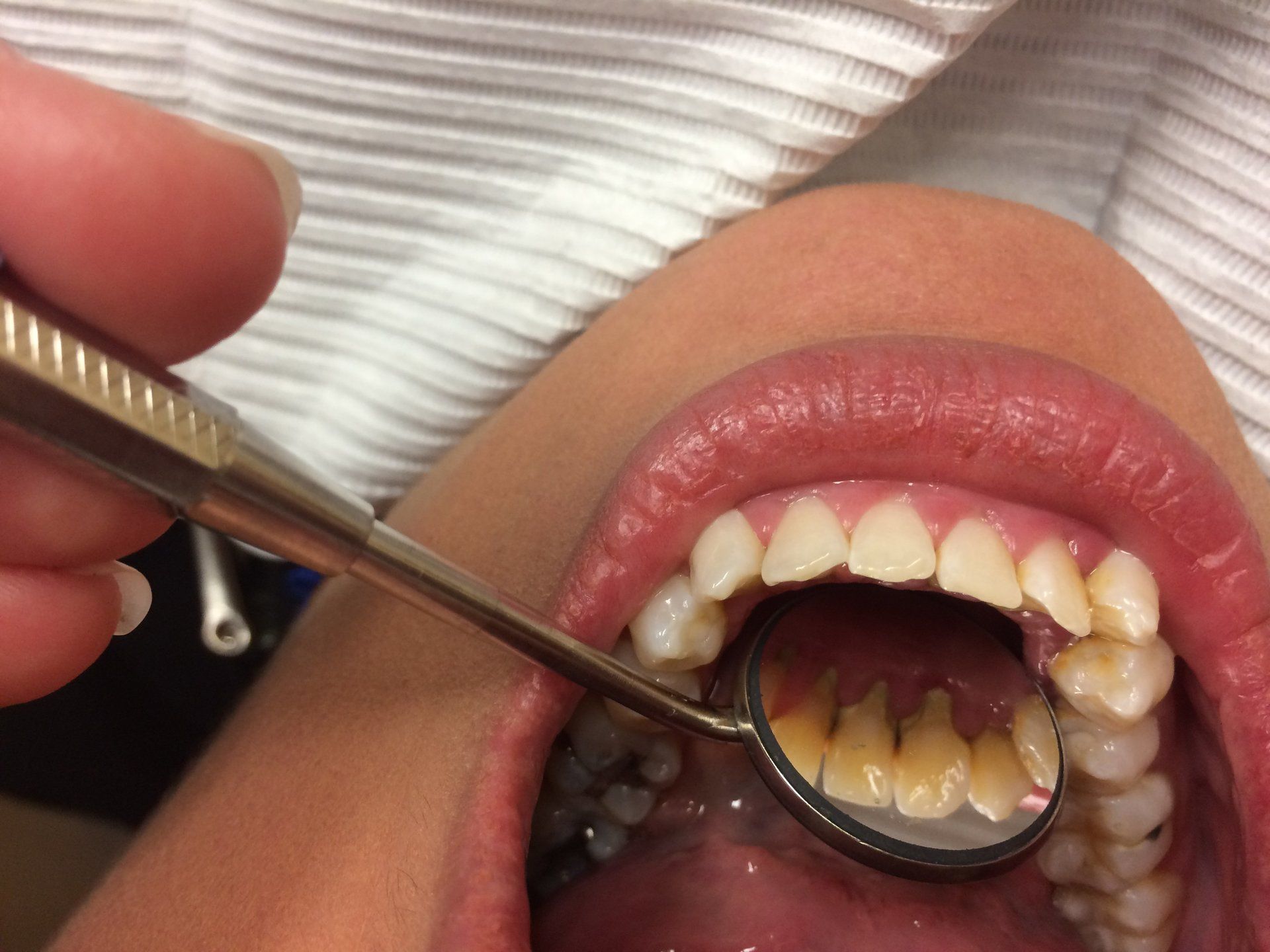
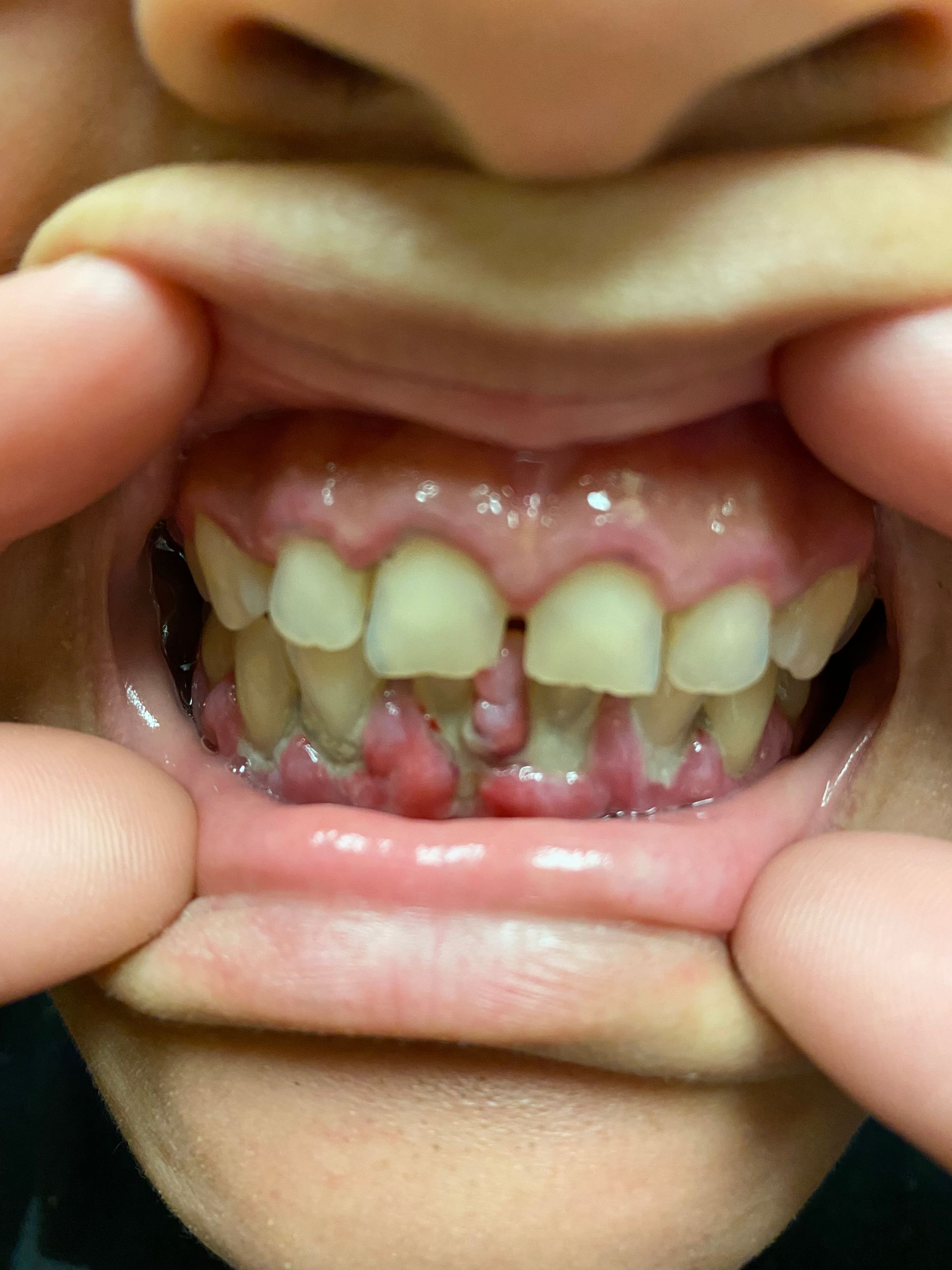
Most likely gingivitis or periodontitis which is most commonly caused by the acid secreted from dental plaque. Teeth may be loose. Pus may be present that produces a taste. Gums are red and may bleed, especially when flossing. Breath is bad. Other causes of gingival swelling include fractures, or foreign bodies, such as a piece of tarter, food, or jagged filling material. To remove at home, tie a knot in the floss. Once under the gum, gently pull side to side. Rinse with hydrogen peroxide.
See prevention advice above. Get a professional cleaning. In rare cases, osteonecrosis, or a medical condition like diabetes, anemia, or a vitamin C deficiency may be present.
Swollen Gums:
Perio/Endo abscess. If it is gum related, you have likely lost bone from disease or a fracture, and now have a deep gum pocket which is accumulating bacteria. You may have a bad taste or odor. Rinse with hydrogen peroxide, use dental tooth picks and proxy brushes to clean thoroughly. See your dentist for root planning, and Peridex® rinse. You may need to take Periostat® medication or treat locally with antibiotics. You may need a root canal if the nerve is also involved. A Periodontist, gum specialist, can help save your teeth if your dentist can't. Get a second opinion before having your teeth pulled. Sometimes the tissue behind the last or erupting 3rd molar swells and hurts. A condition known as Pericoronitis. Antibiotics, cleaning as stated before, and trimming the gum will help. Extraction of the wisdom tooth is usually necessary.
Pus Bubble on Gum Tissue
Pink or reddish draining point of infection from tooth or gum abscess. You need a root canal. Will slowly go away after infection is treated. May leave a scar. Infection will not completely go away without treatment. Most often tooth abscesses will not infect the sinus due to the protective membrane lining the sinus. Additionally, bacteria can pass from one person to another, but infections are not considered contagious. A person's tooth infection will not infect the tooth of another person without another cause. You should not attempt to drain the head of the bubble using a pin, as you may push the infection deeper into your facial spaces. Take antibiotics.
Upper Jaw Pain or Pressure
Commonly from a sinus infection or dental abscess. Occasionally from a blocked duct or inflamed parotid gland when sweets or bitter flavor cause a stinging pain.
a.) Sinus problems: If your tooth feels long, aches, itches in the gum, vibrates when you walk, worsens when upside down, and putting pressure on your face next to your nose hurts, you very likely have a sinus infection. Pressure will be felt, but it won't appear swollen. In some cases, teeth may also become sensitive to cold due to increased bruxism; Your body's way to relieve sinus pressure. Breathing steam, using a decongestant and nasal spray to open passage ways to the sinus for drainage, and taking Airborneª to improve your immune system, will help. See your dentist or physician for treatment and antibiotics if it lingers, especially if pain developed after recent surgery.
b.) Dental abscess: constant ache, unlike with a sinus infection where a few teeth hurt, one tooth will start to ache keeping you awake at night. Check if you see a large hole on the tooth, or if any teeth are loose or sensitive to heat. You may need root canal therapy.
c.) Shingles, mumps, or neuralgic pain disorders-seek medical advice.
Lower Jaw Pain
From muscles or teeth.
a.) Bruxing and dental treatment can cause myofascial pain, or cheek pain. It may feel like a big knot when the muscle spasms in your cheek. It hurts to chew, but warmth makes it feel better. If none of your teeth severely hurt, nor does pushing along the gum area, take Advil, use a temporary store bought night guard, and put warm, wet compresses on face. You can get a mild muscle relaxant from your health care provider, like Valium, if needed. Massage and stretch the area. Soft diet, no gum chewing, or clenching. If symptoms recur, see dentist for permanent occlusal guard, bite equilibration or rehabilitation, or orthodontic treatment.
b.) Abscess- If a lot of pain is coming from a tooth such as tenderness or swelling in the gum underneath and it is discolored or slightly loose, you most likely have an abscess. The swelling will increase with applied heat. Use ice only if it lessens the pain. -see your dentist.
c.) Pericornitis- A gum infection from erupting lower 3rd molar. For immediate relief, you may have the upper opposing 3rd molar removed if it is biting on the lower tissue, and the lower 3rd molar scaled and irrigated with hydrogen peroxide. Take antibiotics such as pen vk 500mg or clindamycin 300mg four times a day if severely infected. The lower molar should be removed when symptoms resolve.
d.) Shingles, tumors, or neuralgic pain disorders- seek medical advice from an ENT doctor
Loose Tooth
Lack of bone: See a periodontist for root planing, bone replacement surgery, and possibly a root canal.
Recent trauma: An injury may heal itself. If it has slightly moved, you can gentle move the tooth to its previous position. For larger movements see a dentist asap. If the tooth has come out, put it back in the socket. If it is dirty, rinse with saline, or milk and put back in the socket. Don't tooth the root. See a dentist asap prefer within 1/2 hour. If the tooth has been fractured, only put a temporary filling without drilling or additional trauma. In all cases, except sometimes complete fracture, root canal treatment is likely needed.
Abscess: Root canal treatment or gum therapy with antibiotics will tighten up the tooth when the infection clears.
Tongue Problems
a.) Pain-from yeast, trauma, or other medical conditions- seek medical advice if doesn't go away in a few days.
b.) Coating or discoloration (white or black)- can be from plaque, yeast, or over grown tongue fibers (AKA Hairy Tongue) of which can temporarily stain over time, or when using rinses such as Peridex®. Brush the tongue with a mix of hydrogen peroxide baking soda and scrape the tongue daily with a hygiene device to remove plaque. For yeast use topical anti-fungal. Consult dentist. White lines are typically from a non-pathologic disorder "Geographic Tongue."
c.) Sores- some are canker sores which can reoccur, but are not contagious, possibly the result of an allergy, stress, acid reflux (read our dental news page), or vitamin deficiencies. Trauma from injury or rubbing tongue against a rough tooth will cause an ulcer. Rinse with salt water, use finger nail file to take off sharp edge of broken tooth if you can't see a dentist, put wax or gum on the inside of teeth to keep tongue away for a day or two. Have teeth reshaped or adjusted, possible needing orthodontics to correct bite.
d.) Cancer- usually painless, a unilateral sore or thick patch of skin that persists. Tongue carcinoma is usually located on one side or under the tongue. It may look white, red, or a mixture. High risk people are generally over 40, smokers, consume alcohol or drugs, poor oral hygiene, poor nutrition or health, and sometimes with family history. For people that are not in this group, look for other causes first, like a sharp tooth or filling, liquid or pizza burn, or benign disorders such as Geographic Tongue or Lichen Planus, before getting a biopsy. Many dentist can screen for cancer, or you may seek medical attention through an Oral Surgeon or ENT.
Likely cause of problems after recent dental treatment:
The Shot
Dental injections of anesthetic most commonly contain Xylocaine with epinephrine. The needle and solution cause tears in the muscle, bleeding, and nerve stimulation resulting in pain, limited opening, swelling, bruising, and on rare occasion numbness which usually resolves. Ice, anti-inflammatory, muscle relaxant, and time will help. See neurologist if severe nerve pain persists.
The Drill
Removing caries causes small fractures, as well as heat, and inflammation of the nerve and vessels inside the tooth. A tooth that already has a large filling or crown may end up needing root canal therapy, especially if it has undergone a lot of past treatment. Always choose the longest lasting restoration. Repeated treatment is not good for the tooth.
The Filling
Silver or white restorations cause fractures from expansion or contraction, condensing or bonding. Often fractures are already present, especially in wide restored teeth. Those cracks can grow and become symptomatic after treatment. Choosing a crown instead of a larger wide filling will hold the tooth together. Taste from the material may be present for a few days, depending on polymerization. Make sure the bite is adjusted so all teeth meet evenly. If you can feel the filling when biting down or to the side, it is too high leading to the number one cause of post op pain. If excessive air is blown on the tooth before bonding, the tooth will be very sensitive for about 6 weeks. If a liner is used that pulls away from base of the prep after bonding, the tooth will be very sensitive to biting down. A healthy tooth should not be unbearably sensitive after a filling, or it should be replaced with a sedative filling. Deep restorations may need root canal therapy if symptoms occur as the tooth may have been already partially necrotic but asymptomatic before treatment. Sometimes during a silver filling, the material will permanently tattoo the gum black. Foil or metal, especially metal crowns contacting the silver filling may hurt due to a galvanic reaction. Silver nitrate should be placed over a new silver filling if a severe shocking sensation is present.
The Root Canal
During root canal therapy, removing the nerve properly is very difficult. Sometimes an extra nerve exists, especially in upper molars. The procedure is done by "feel." It is common to go long or short while cleaning out the root. The irritation from filing, and irrigation into the ligament surrounding the root causes pain. Swelling after could be from an infection or a Sodium Hypochlorite accident which should resolve possibly with bruising after a week. Take Advil, or Vicodin. Make sure the tooth is adjusted lower. If you feel hot or cold, that could mean there is a fracture present, or pain is from a neighboring tooth. Without a nerve the tooth should not feel hot or cold. If a large abscess is present, antibiotics may be required. Post op pain is normal and can be felt near the end of roots on the gum, or behind the nose in anterior teeth. Unresolved pain or swelling needs antibiotics, and possibly re-treatment, unless a fracture is present. Avoid posts and pins when possible.
The Crown or Bridge
After tooth preparation, make sure no cement is irritating the gum (see #6), and that the bite is fine. Temporary crowns which are made of acrylic or aluminum are not always attractive or comfortable, but they should be sealed as much as possible, occlusion adjusted, and cement removed thoroughly. If the tooth is very sensitive at this stage, have the temporary checked for openings and height lowered. If the tooth remains slightly painful, the permanent crown may be placed with temporary cement until comfortable, or removed for root canal therapy. The tooth should feel like one of your own after a short while, unless the crown is too bulky. When the crown is finally cemented, the tooth may be irritated for a couple weeks, especially if the tooth was badly damaged before preparation (i.e. Decayed, fractured). Make sure food is not being trapped between the crown and adjacent teeth. Have the gum area cleaned and bite adjusted if pain persists. Root canal therapy is sometimes needed. When the gum recedes around the crown, sometimes a black line is noticed. This is usually, either a thin stained junction between the tooth and the crown, or a thicker area of the silver metal below the porcelain. It can also be caries, so get it checked out.
The Cleaning
After a cleaning, plaque and calculus are removed, thus roots may be more sensitive to cold. In addition, dormant infections or deep caries may become symptomatic; the teeth are vibrated and stripped of debris, making the body more aware of hidden problems. We recommend x-rays so that the dentist can evaluate undiagnosed conditions. To prevent infections after a deep cleaning, irrigate with hydrogen peroxide 2 x day for 3 days. Some patients need antibiotics, depending on severity of their condition. For cold sensitivity, apply a high fluoride toothpaste or gel, or a desensitizing medication. For other pain, seek treatment.
The Extraction
Before having your tooth make sure that you are aware of the risks and benefits and that no other treatment is available to "save your tooth." After an extraction, you will have some pain, swelling, and possible bruising which is normal. Don't rinse for the first 24 hours. Don't apply heat for 72 hours. Keep your tongue and fingers off it. After 24 hours gently rinse with salt water. Do not use hydrogen peroxide for at least 2 weeks. After one week, you can return to normal foods. Don't eat popcorn until the area is well covered by granulation tissue. The site will look weird and have different colors as it heals. If the tooth was surgically extracted with bone being removed and tissue cut, more swelling and pain should be expected. Severe pain worsening after 2.5 days, and/or a bad taste and yellow discharge must be treated immediately. Tylenol and Ibuprofen taken in combination has been show to be as effective at reducing pain as a narcotic.
A dry socket or infection could be starting. Small bone fragments may extrude through the gum, and usually fall out on their own. Sometimes a second surgery is necessary to smooth rough edges and remove larger pieces. The suture may need to be removed, especially if it is non-resorbing material. The tissue will heal over the socket in a couple weeks; the bone takes much longer to fill in leaving the jaw vulnerable to fracture. Numbness from the injection or extraction may remain for a few days or months. Sometimes permanently. This must be monitored by an oral surgeon. In the case of partial or complete nerve separation, immediate referral to a neurosurgeon is appropriate.
The Dentures
Most people can get use to anything after a while. Dentures feel very strange. They are a prosthesis, like any other on the body, and practice is necessary to be proficient at chewing. Early on the mouth waters more, and food tastes different. Speech needs to accommodate. Muscles need to adapt to hold the dentures by suction, and balance the set. Sore spots need to be adjusted. Relines are necessary as the bone recedes and loosening occurs. Take them out at night brush and soak in a cleanser, not Listerine. If broken, they can be fixed. Implants help secure the denture for people without much bone, or with a strong gag reflex and can't tolerate the tradition size. Lisping, sores on the corners of the mouth, or clicking usually mean that the denture is either separating the jaws to much or too little, and need to be remade.
Post Op Tips- Dental treatment will cause inflammation. If your health allows, taking ibuprofen before and after restorative treatment for at least 2 weeks will lessen the irritation and the chances of needing root canal therapy. Some pain is normal. The pain should diminish each day and be virtually gone in 3-6 weeks. If it worsens after 3 days, have the bite adjusted. If your tooth throbs constantly after 3 days and does not respond to ibuprofen, see your dentist.